
Welcome to Projectorpoint
Projector, Display & Home Cinema Specialists
Leading Audio Visual provider specialising in projectors, projector screens, displays, touchscreens and wireless presentation systems. We are focused on exceptional customer service.
Free UK Delivery
Fast & reliable service
Interest-Free Payments
Available with Paypal Pay in 3
Expert Technical Advisors
Ready to help you via freephone
Featured Projectors
Immerse yourself in the world of cutting-edge projection technology. Our handpicked selections represent the very best in performance, innovation, and visual excellence.
Office
Large Venue
Home Cinema
Education
For Office
- £10 Coupon
- Business

- Education

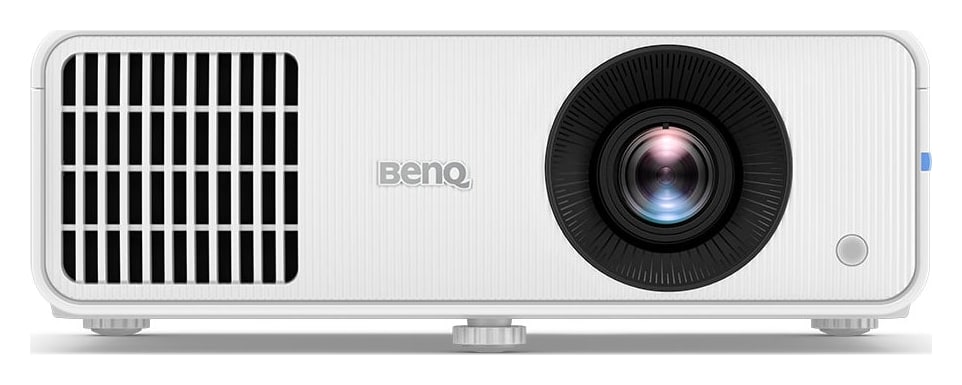
In Stock
- 1080p
- 4000
- Laser
Compact chassis with laser light source and Full HD resolution. Optional wireless mirroring dongle available.


- £25 Coupon
- Business
- Education
- Golf Simulation

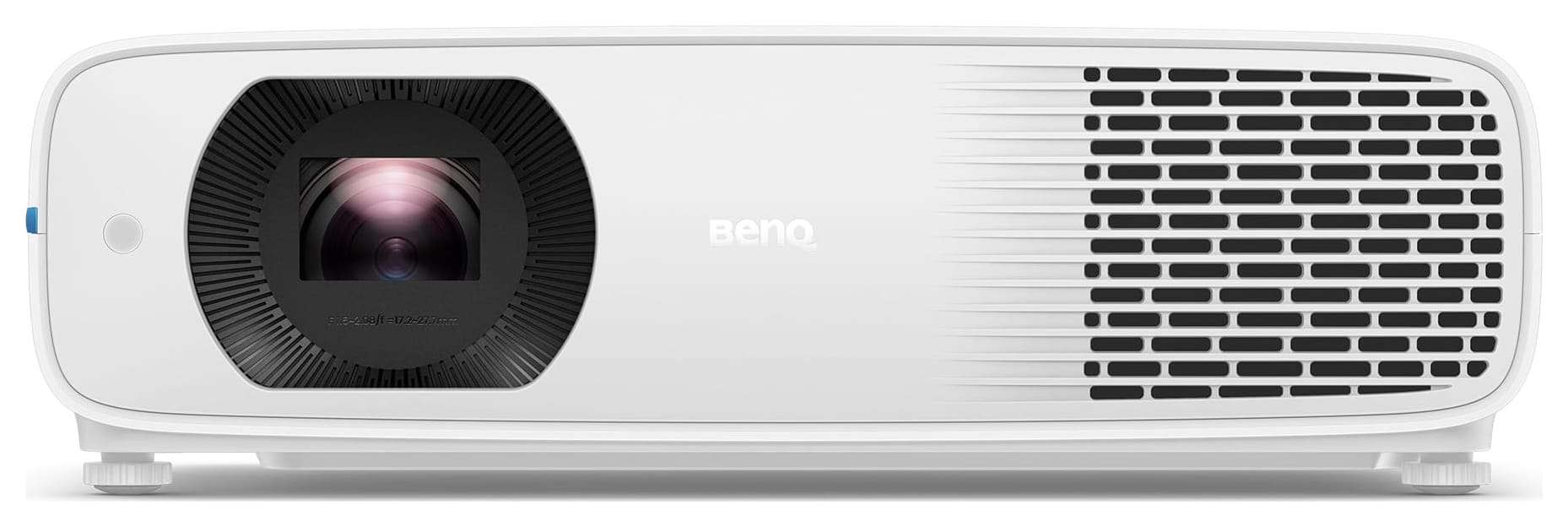
In Stock
- 1080p
- 5000
- LED
Bright HD images. Flexible installation features. LED light source for colour accurate images. Optional wireless capability.
- Business
- Education
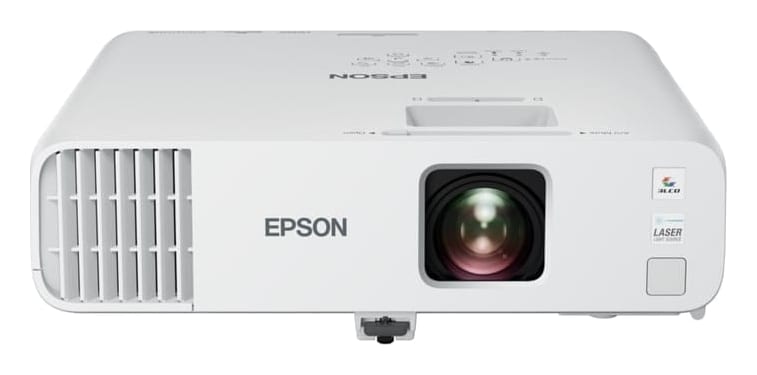
In Stock
- 1080p
- 4600
- Laser
Lightweight and compact projector featuring extensive connectivity including PC free presentation and optional wireless connectivity.
- Business
- Education
- Golf Simulation

In Stock
- 1080p
- 5000
- Laser
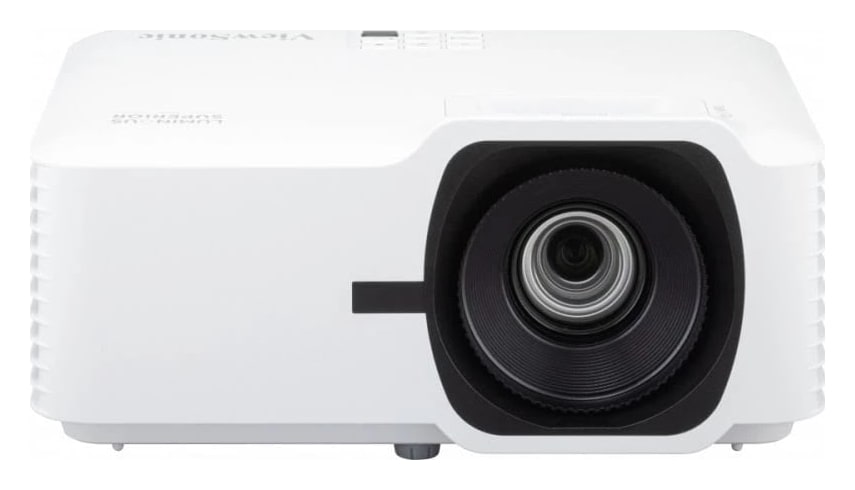
Compact design, easy installation, vibrant visuals for large venues. Laser light source for up to 30,000 hours use.
- Warranty Upgrade
- Business
- Golf Simulation
In Stock
- WUXGA
- 5200
- Laser
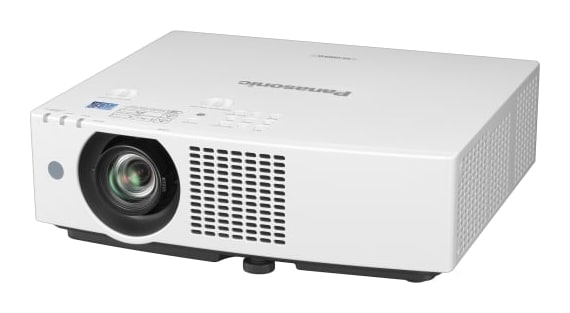
The Panasonic PT-VMZ51SEJ is a compact and lightweight LCD laser projector with 5200 lumens, WUXGA resolution, and a 3-year warranty.
- Business
- Education

Call for Availability
- 4K UHD
- 4000
- Laser
Short throw lens for large 4K images from short distances. Easy installation features such as auto screen fit and motorised zoom. Optional wireless capability
- Free 5Yr Warranty
- Business
- Education
In Stock
- WUXGA
- 5200
- Laser
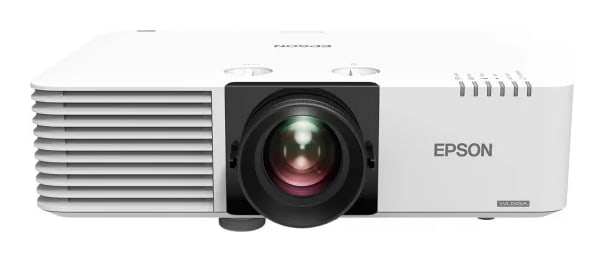
Bright, cost-effective model with lens shift for easy installation. Enhanced connectivity with HDBaseT and dual HDMI.
- Business
- Education
In Stock
- WUXGA
- 5000
- Lamp
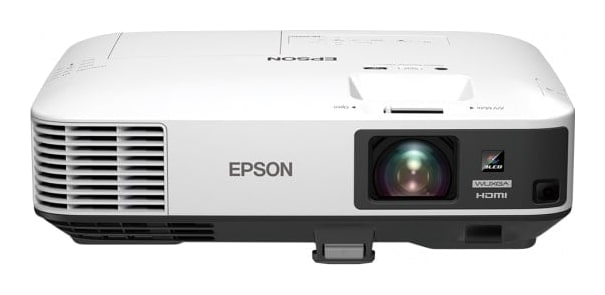
Colour accurate images. Multiple connectivity options for easy setup and flexibility.
- Warranty Offers
- Business
- Golf Simulation
In Stock
- WUXGA
- 6200
- Laser
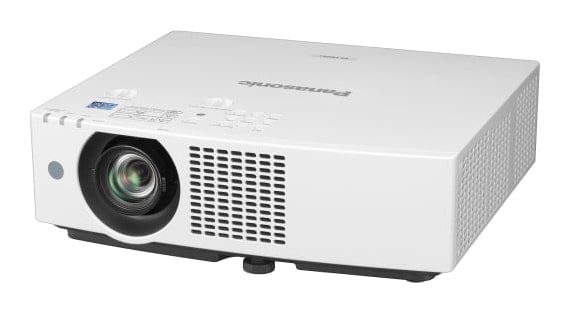
Compact & lightweight, 20,000-hour laser. High visibility in bright rooms. Flexible setup from a 1.09-1.77:1 lens and horizontal/vertical lens shift
- Free 5Yr Warranty
- Business
- Education
In Stock
- WUXGA
- 6200
- Laser
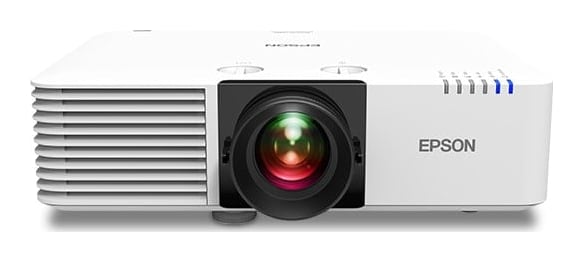
Bright, cost-effective display. 6,200 lumens, WUXGA resolution, enhanced connectivity, easy installation.
For Office
- Business
- Golf Simulation
Call for Availability
- WUXGA
- 7000
- Laser
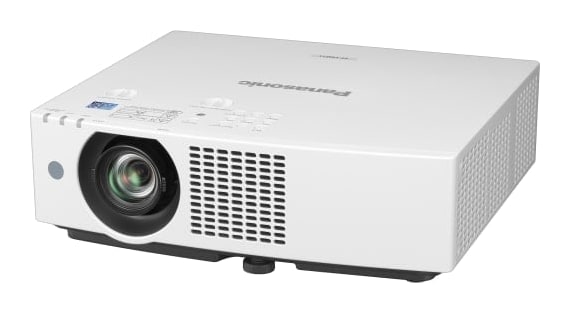
Compact LCD laser projector with 7000 lumens, WUXGA resolution, and 6-Point Screen Correction.
- Free 5Yr Warranty
- Business
- Education
In Stock
- WUXGA
- 7000
- Laser
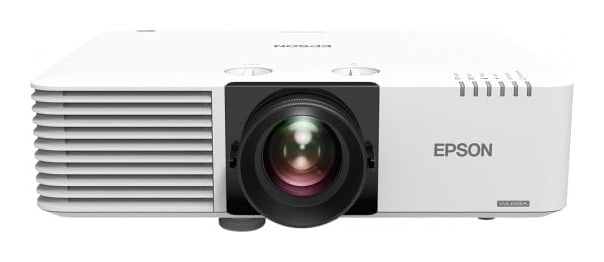
Bright, cost-effective display. 7,000 lumens and WUXGA resolution, it's perfect for any corporate environment.
- Business

In Stock
- WUXGA
- 7000
- Laser
The Epson EB-PU1007W: 7,000 lumens, interchangeable lenses, superior image quality. Perfect for large venues and professional installations.
- Business
In Stock
- WUXGA
- 7500
- Laser
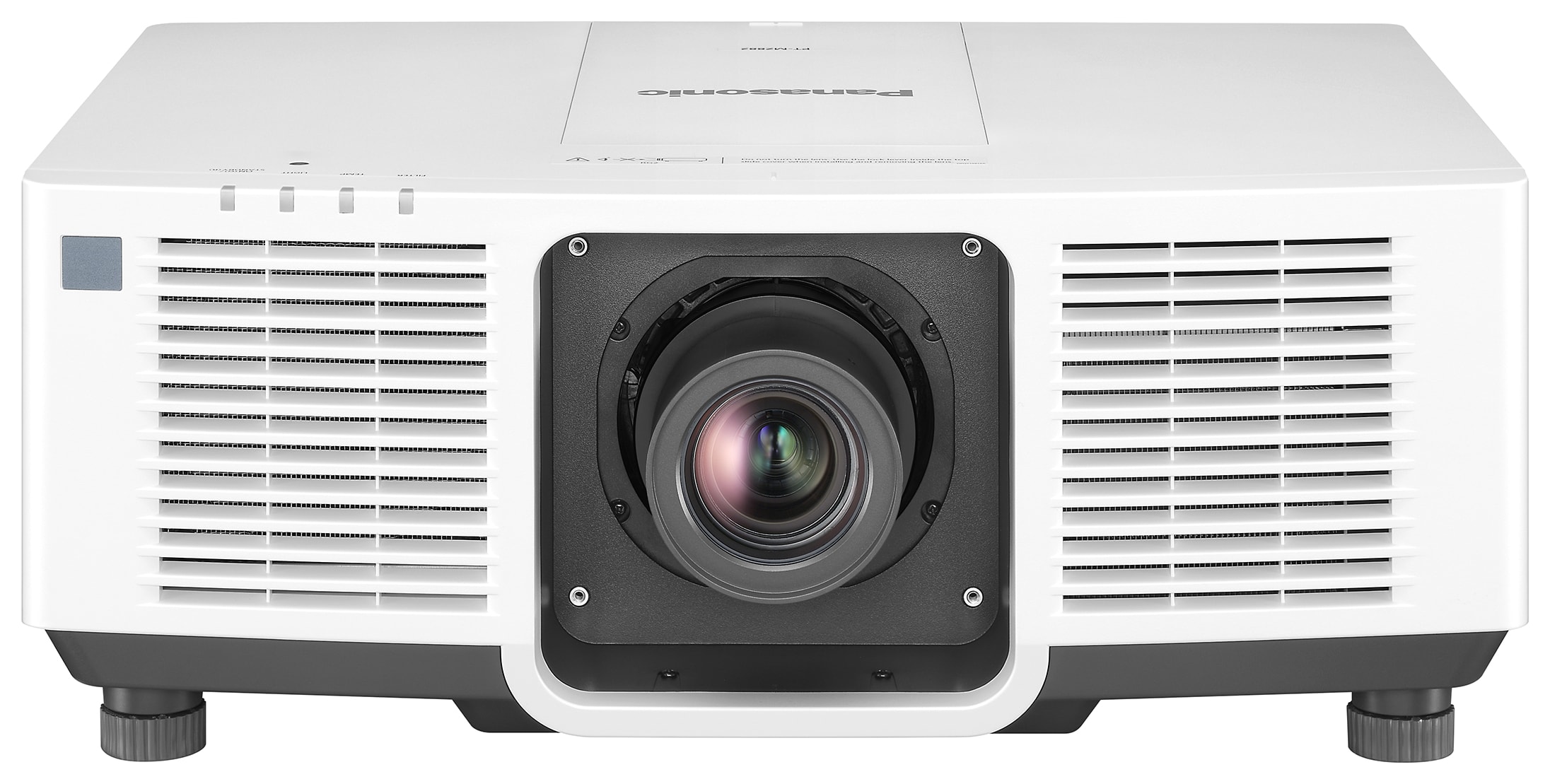
A versatile projector with 7500 lumens, WUXGA resolution, and a range of optional lenses for any space.
- Business
In Stock
- WUXGA
- 8200
- Laser
Perfect for higher education, art galleries, museums, or visitor attractions.
- Business
In Stock
- WUXGA
- 8500
- Laser
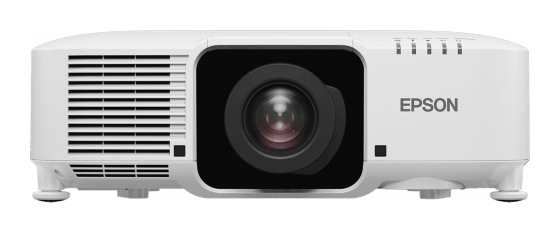
The Epson EB-PU1008W: 8,500 lumens, interchangeable lenses, superior image quality. Perfect for large venues and installations.
- Business
In Stock
- WUXGA
- 10000
- Laser
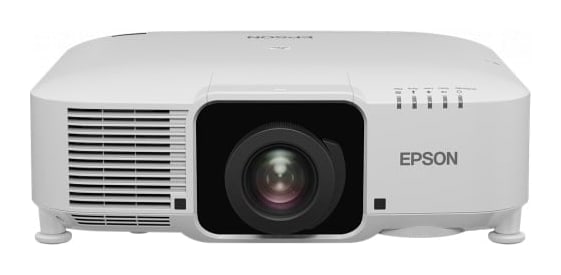
The Epson EB-PU2010W: 10,000 lumens, WUXGA resolution, HDR support. Ideal for large venues and pro installations.
- Business
In Stock
- WUXGA
- 13000
- Laser
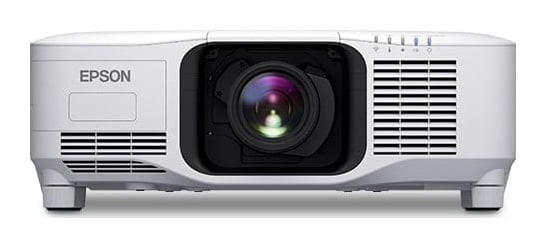
The Epson EB-PU2113W: 13,000 lumens, WUXGA resolution, 4K enhancement. Optional powered lenses for easy installation. Ideal for auditoriums and museums.
- Business
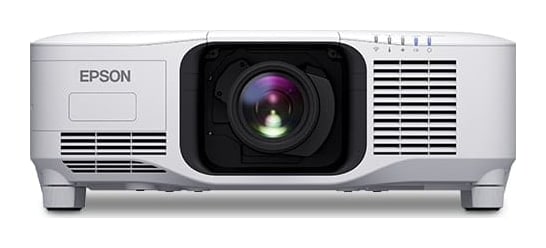
In Stock
- WUXGA
- 16000
- Laser
Choose from a range of optional lenses, including ultra short-throw and off-axis options, for convenient setup.
- Business
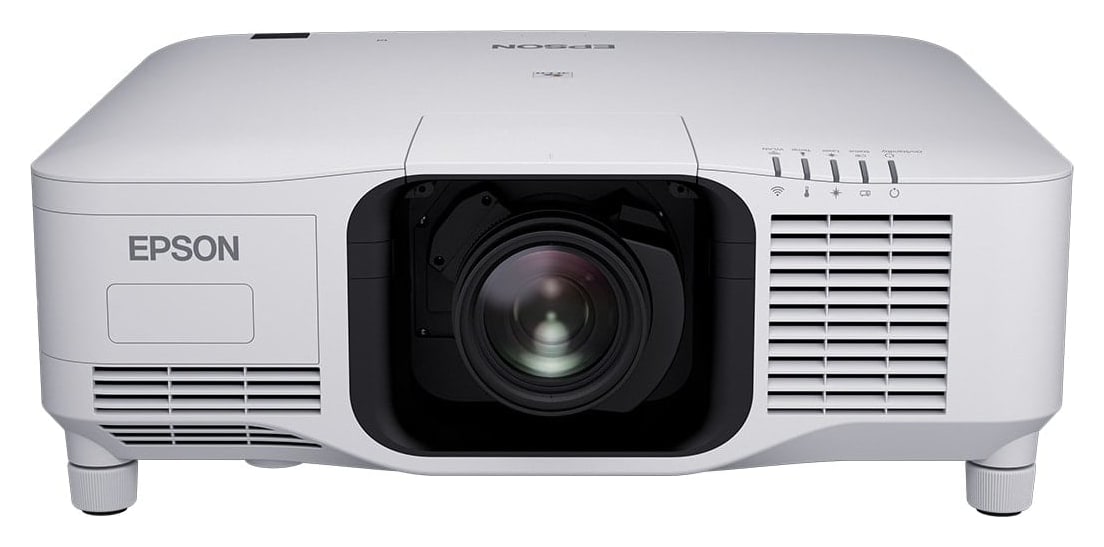
Call for Availability
- WUXGA
- 20000
- Laser
The Epson EB-PU2120W: compact, lightweight, 20,000 lumens, WUXGA resolution, 4K input support. Ideal for large auditoriums and live events.
For Home Cinema
- Home Cinema

- Golf Simulation

Call for Availability
- 4K UHD
- 3500
- Laser
Vertical lens shift, 1.36x optical zoom, H/V keystone, and 4 corner adjustment, allowing you to easily set up a big screen tailored to your preferences.
- Home Cinema
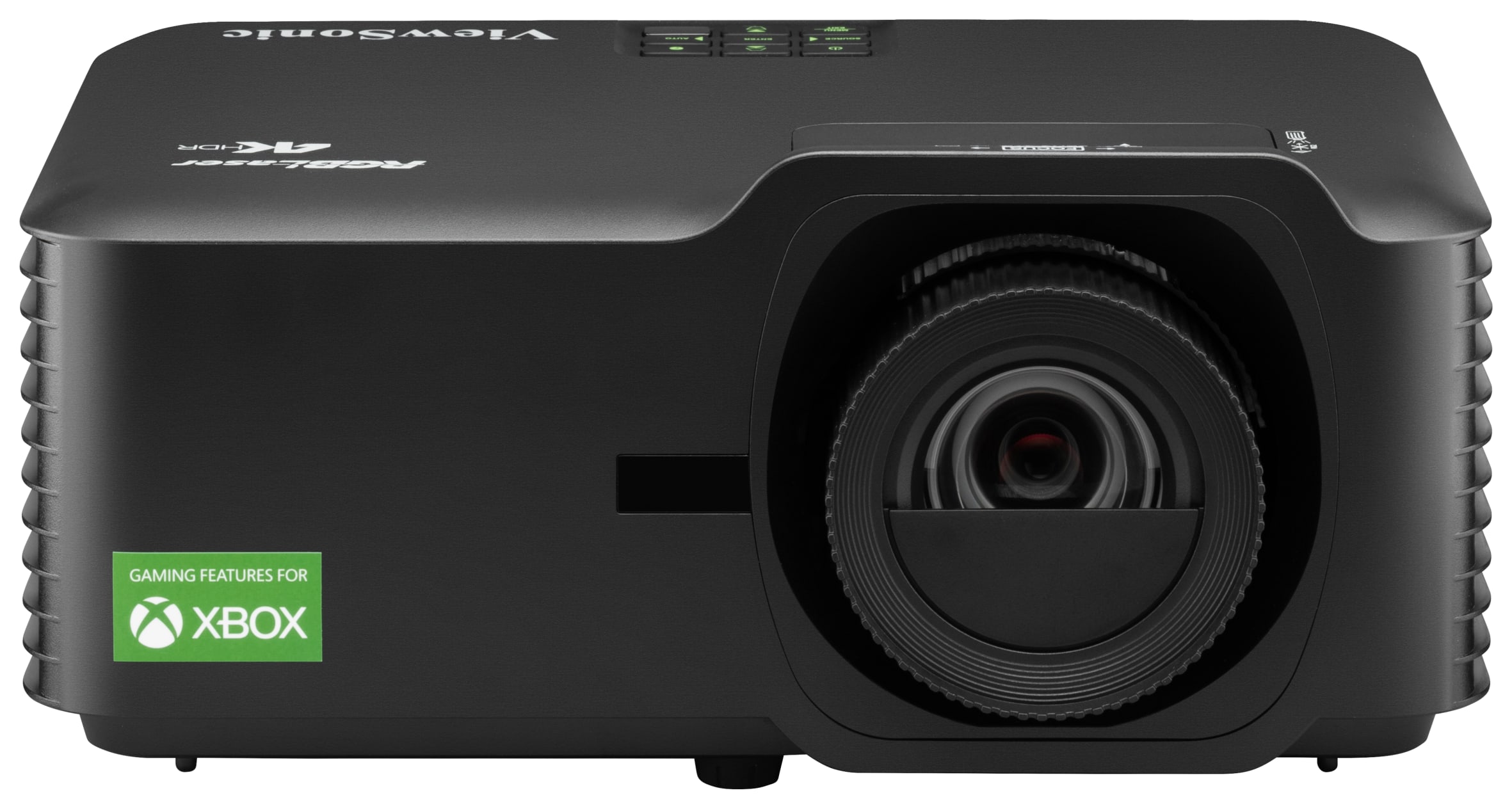
In Stock
- 4K UHD
- 5200
- Laser
Red, Green and Blue laser light source for colour accurate images. Ultra low input lag times for precise gaming.
- Home Cinema
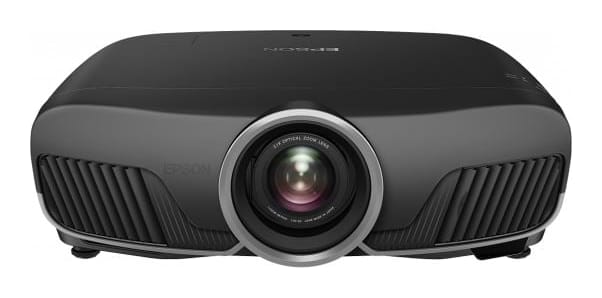
Call for Availability
- 4K UHD
- 2600
- Lamp
Free 5 Year warranty upgrade. Incredible home cinema with deep black levels. WHAT HIFI 5 STAR WINNER.
- Home Cinema

Call for Availability
- 4K UHD
- 2700
- Laser
Sony's new XR process lives up to the claims! Rich deep black, finite details and vibrant, colour accurate images.
For Office
- Business
- Education

In Stock
- 1080p
- 4000
- Lamp
Compact and portable projector with extensive connectivity and colour accurate images. Price vs spec it's very hard to beat
- Business
- Education
In Stock
- 1080p
- 4600
- Laser
Lightweight and compact projector featuring extensive connectivity including PC free presentation and optional wireless connectivity.
- Business
- Education
- Golf Simulation
In Stock
- 1080p
- 5000
- Laser
Compact design, easy installation, vibrant visuals for large venues. Laser light source for up to 30,000 hours use.
- Business
- Education
In Stock
- WUXGA
- 5000
- Lamp
Colour accurate images. Multiple connectivity options for easy setup and flexibility.
- Business
In Stock
- WUXGA
- 8500
- Laser
The Epson EB-PU1008W: 8,500 lumens, interchangeable lenses, superior image quality. Perfect for large venues and installations.
- Business
Call for Availability
- WUXGA
- 20000
- Laser
The Epson EB-PU2120W: compact, lightweight, 20,000 lumens, WUXGA resolution, 4K input support. Ideal for large auditoriums and live events.
Discover the projectors that best suit your needs
Every setting is unique, and so are your needs. Whether it's for cinematic home theaters or impactful business presentations, we guide you to the projector that's just right.


Need help or advice? Talk to experts!
If you need help making your choice, simply call our experts on our freephone.



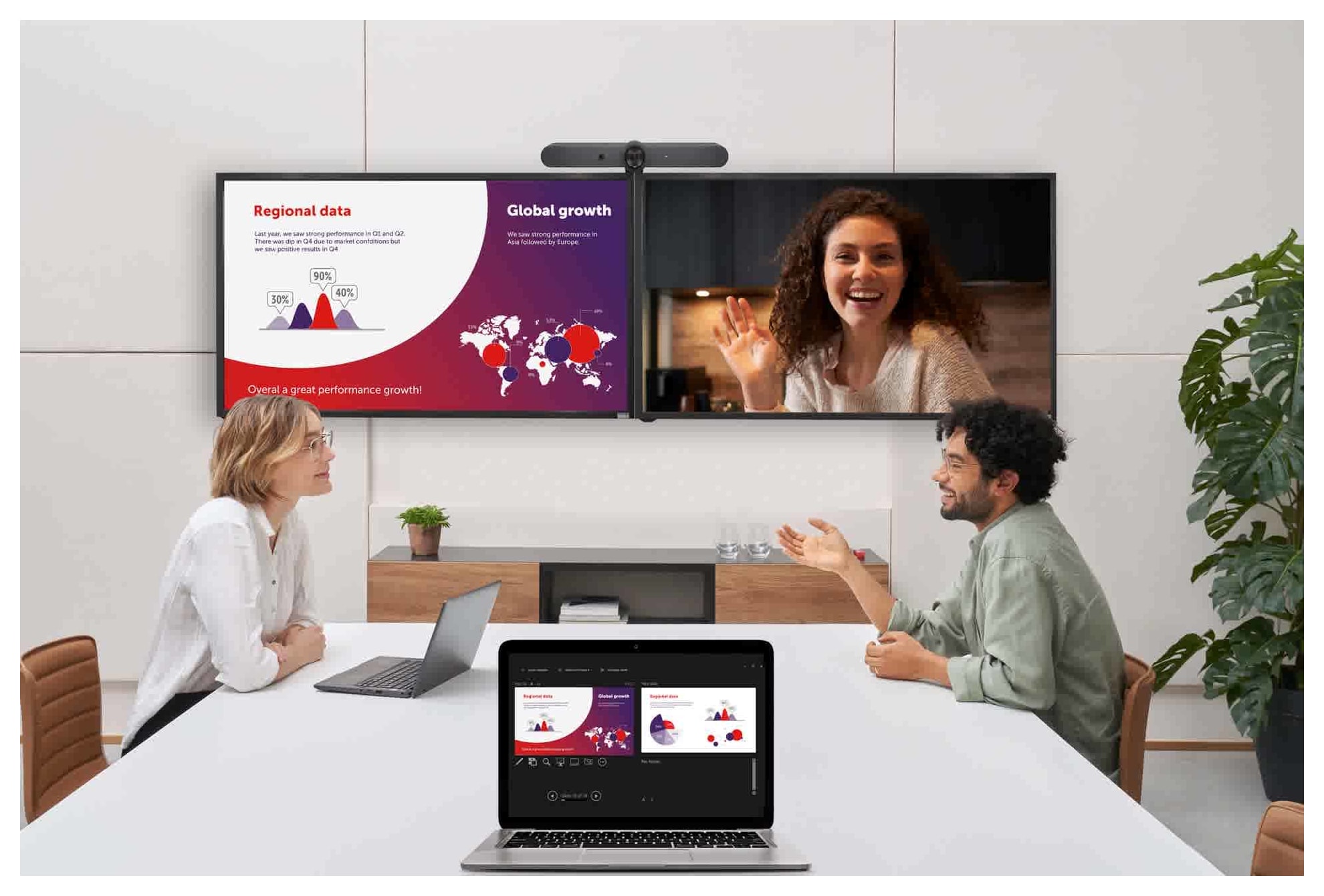
Display Solutions For Any Environment
Business settings demand precision and quality. With our dynamic video walls, high-definition meeting displays, and large format screens, transform any corporate space into a visual masterpiece.




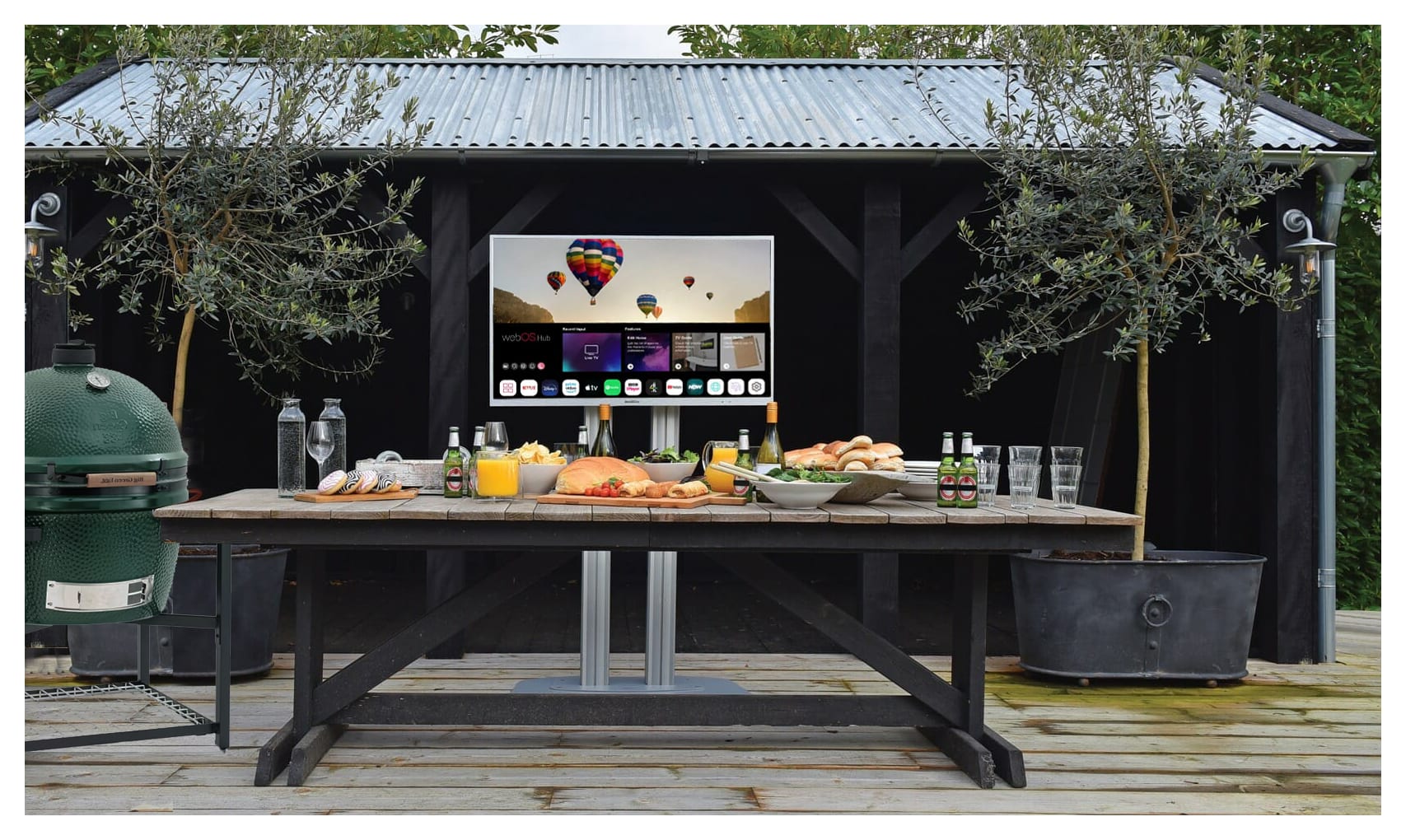
Need help or advice? Talk to experts!
If you need help making your choice, simply call our experts on our freephone.



Require a professional installation?
Our team of qualified AV Technicians are available to carry out installations of audio visual products specialising in projection, displays, meeting room solutions and large public display or signage
Installation ServiceNeed to hire AV solutions for an event?
We have a wide variety of products and solutions available for hire including a full installation service for larger projects.
Projector Hire Service